
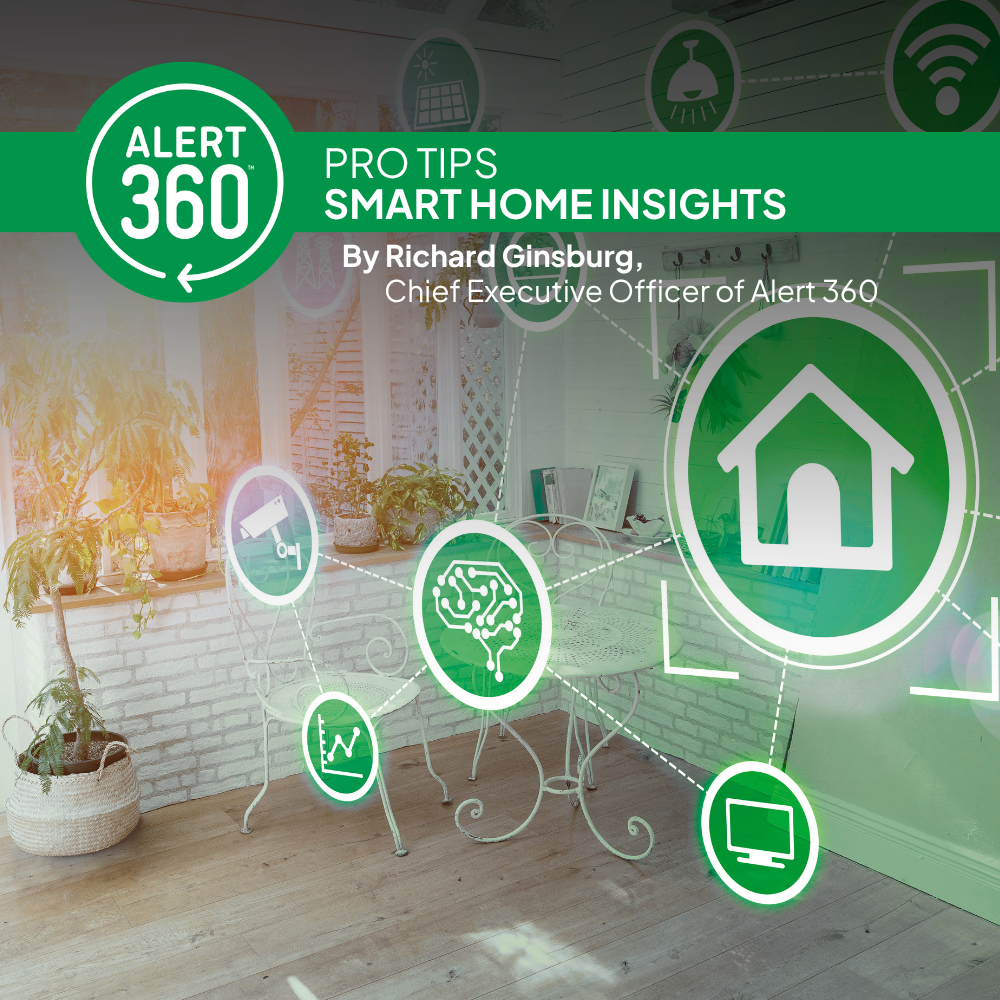
Over the past few years, our homes have become smarter than ever. Doorbells, cameras, televisions, streaming devices, smart plugs, thermostats—even refrigerators—are now connected to the internet.
While all of this technology makes life more convenient, it also creates a new challenge that many homeowners don’t realize exists.
Recently, cybersecurity researchers uncovered that millions of inexpensive smart devices sold online may contain hidden software that allows cybercriminals to use those devices without the owner’s knowledge. In some cases, these devices become part of massive criminal networks, routing internet traffic through your home and making it appear that online activity is originating from your address. The FBI has formally warned consumers about exactly this threat—a malware campaign known as BadBox 2.0 infected more than one million streaming devices, TV boxes, and smart home products, turning them into participants in global cybercrime networks without their owners ever knowing.
Think about that for a moment.
Your TV still streams. Your smart plug still works. Your camera still records. Yet behind the scenes, the device could be communicating with servers around the world. In a June 2026 investigation, Wall Street Journal reporters purchased five low-cost smart devices from Amazon and Walmart and found factory-installed software on all five that immediately began connecting to criminal proxy networks—without any action by the buyer.
Unfortunately, many consumers shop for smart devices based solely on price. Online marketplaces are filled with products from manufacturers they’ve never heard of. While some are perfectly legitimate, others lack proper security testing, receive few—if any—software updates, or disappear from the market altogether.
That’s one of the reasons we’ve always been selective about the products we install.
At Alert 360, we partner with manufacturers that have earned a reputation for innovation, reliability, and cybersecurity. Companies like Alarm.com, Qolsys (a Johnson Controls company), Johnson Controls, 2GIG, Yale, Kwikset, LiftMaster, Resideo (Honeywell Home), Speco Technologies, and Eagle Eye Networks invest heavily in product development, encryption, firmware updates, and long-term support. These are companies whose businesses depend on protecting millions of homes and businesses—not simply selling the lowest-cost device.
Does that mean every product from a major manufacturer is immune from security vulnerabilities? Of course not. No technology is perfect. The difference is that reputable manufacturers actively identify vulnerabilities, release security updates, and support their products for years after they’re installed.
That’s exactly what you should expect from the technology protecting your home.
A professionally designed smart home isn’t just about alarms and cameras. It’s about creating a secure ecosystem where every connected device has been carefully selected, properly configured, and continually supported.
If you’re adding smart devices to your home, here are a few recommendations:
Buy from manufacturers with an established reputation for cybersecurity.
Keep your devices updated whenever firmware or software updates become available.
Be cautious of unknown brands offering prices that seem too good to be true.
Replace devices that no longer receive security updates.
Work with a trusted security provider who carefully vets the equipment they recommend.
Technology should make life easier—not provide another doorway for cybercriminals.
As homes become increasingly connected, choosing trusted technology is every bit as important as locking your front door.
The threat has escalated well beyond individual criminals. In April 2026, a joint advisory from the FBI, CISA, the NSA, and eleven international cyber agencies warned that foreign state-affiliated actors are now building covert networks from compromised consumer IoT devices—using your home’s internet connection as cover for attacks on critical infrastructure. The $25 streaming box from an unknown seller isn’t just a personal risk anymore.
At Alert 360, protecting our customers goes far beyond installing an alarm system. It means recommending products we trust, standing behind the manufacturers we partner with, and continually evaluating the technology we bring into our customers’ homes.
Sometimes the least expensive smart device can become the most expensive mistake. When it comes to your family’s security and privacy, quality, support, and cybersecurity are investments worth making.
FBI Cybersecurity Alert
Want to learn more?
The FBI has issued an official Public Service Announcement warning consumers about compromised internet-connected devices and the BADBOX 2.0 malware campaign. If you’re concerned about the security of smart devices in your home, we encourage you to read the FBI’s guidance directly.